Category: Uncategorized

  • Caring for Your Gymnastics Ribbon: Do’s and Don’ts


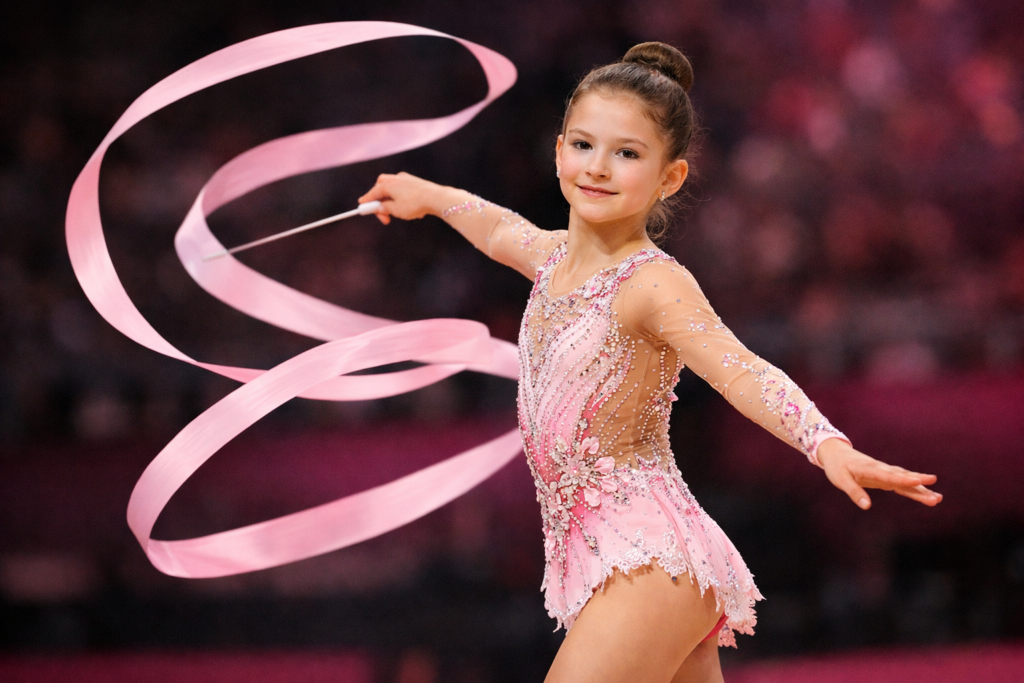
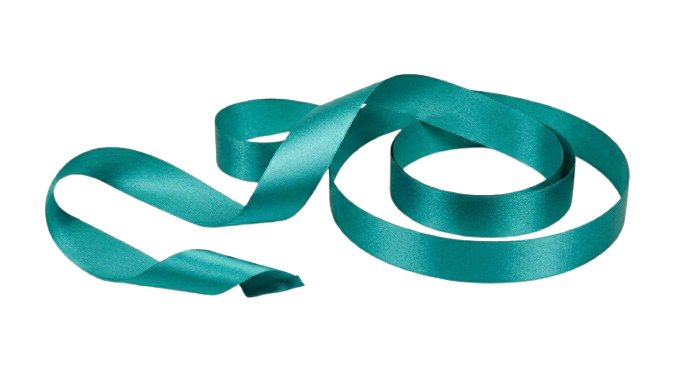
    Your rhythmic gymnastics ribbon is one of the most delicate apparatus in the sport. A well-maintained ribbon flows beautifully and responds to every movement with precision. A poorly cared for ribbon, however, can tangle, fray, and ruin your performance. Here is everything you need to know to keep your ribbon in perfect condition.
    Why Ribbon Care Matters

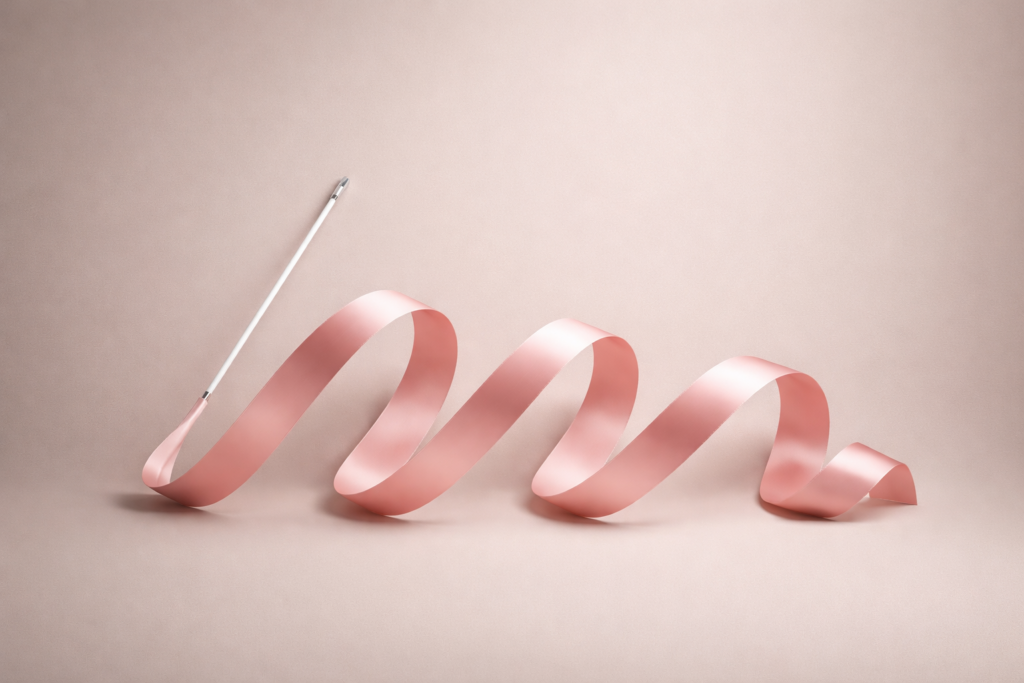
    The ribbon is 6 metres long and made of satin or a similar lightweight material. It attaches to a stick via a small metal ring or swivel. Because of its length and delicate material, it is extremely easy to damage if not stored and handled correctly. Replacing a competition ribbon can be costly, so proper care is always worth the effort.

    A well-kept ribbon also performs better. Smooth, tangle-free satin catches the light beautifully and moves exactly as you intend, giving judges and audiences a stunning visual impression.

    The Do’s of Ribbon Care

    Follow these habits after every training session and competition:

    • Roll your ribbon loosely with the ribbon roller immediately after use
    • Store it in a ribbon bag or tube to protect it from dust and moisture
    • Check the swivel connector regularly and replace it if it shows wear
    • Keep spare ribbons on hand, especially before competitions
    The Don’ts of Ribbon Care

    Avoid these common mistakes that shorten the life of your ribbon:

    • Never leave your ribbon in a tangled pile on the floor
    • Do not wash it in a washing machine, as this damages the satin fibers.
    • Avoid exposing it to direct sunlight for long periods, as this fades the color.
    • Do not pull or yank the ribbon aggressively when untangling it
    • Never store a damp ribbon, as this causes mould and stiffness
    • Do not use harsh detergents or bleach on the material

    How to Untangle a Knotted Ribbon

    Even with the best care, tangles happen. Here is how to deal with them:

    Start from the free end of the ribbon and work your way toward the stick slowly and gently. Use your fingers to loosen knots rather than pulling hard. If the knot is very tight, lay the ribbon flat on a clean surface and ease it open gradually. Patience is key; rushing will cause the satin to stretch or tear.

    When to Replace Your Ribbon

    Even a perfectly maintained ribbon has a lifespan. Signs that it is time for a new one include visible fraying at the edges, permanent creases that do not smooth out, fading color, or a damaged swivel that affects the flow. For competition, always use a ribbon in excellent condition.
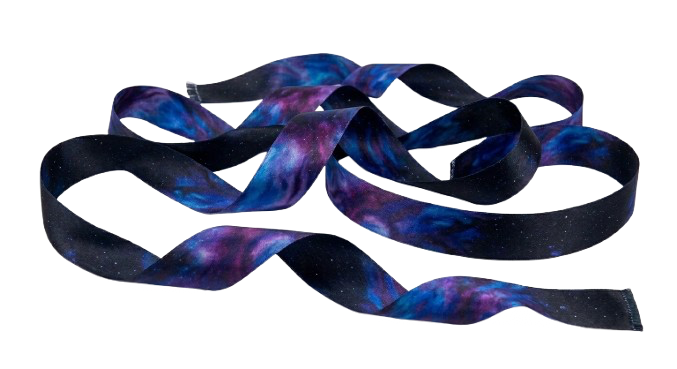

    At Shop Olympia RG, we stock high-quality ribbons for every level, from beginner training ribbons to FIG-approved competition ribbons. Take good care of your apparatus, and it will take care of your performance. Shop our ribbon collection today! 🎀
  • Top 5 Training Tips for Beginner Rhythmic Gymnasts

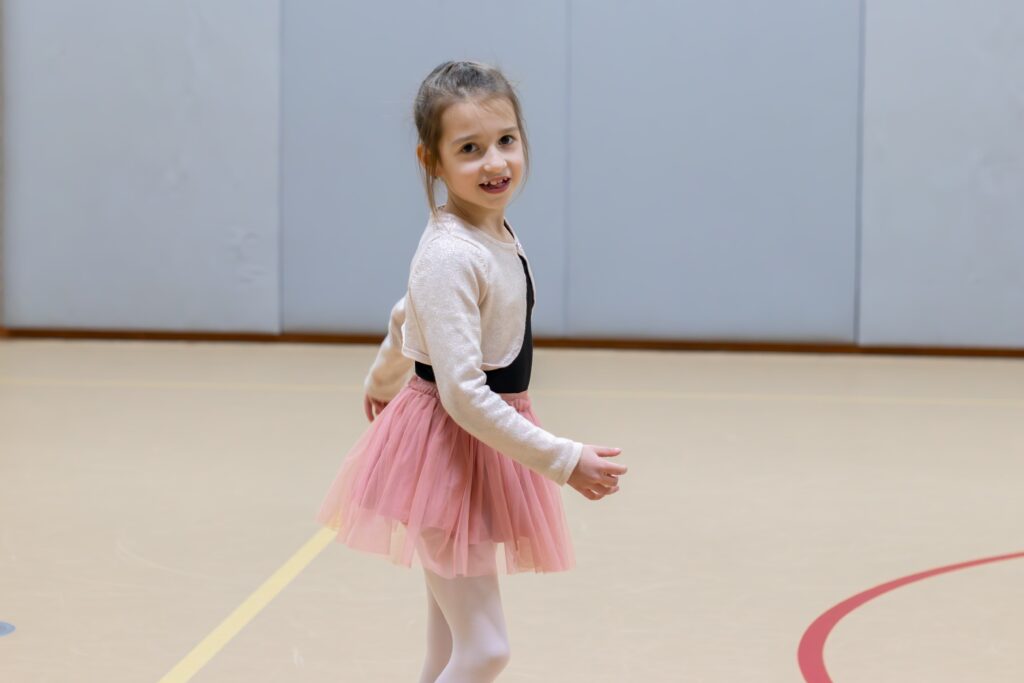
    Starting your rhythmic gymnastics journey is exciting, but it can also feel overwhelming. With so many skills to learn and apparatus to master, where do you even begin? Don’t worry — every elite gymnast started exactly where you are now. Here are our top 5 training tips to help you build a strong foundation from day one.

    Tip 1: Master the Basics Before Moving On

    Before you attempt complex routines, focus on the fundamentals. Body posture, flexibility, and basic footwork are the building blocks of everything in rhythmic gymnastics. Spend time every session on:

    • Correct posture — back straight, core engaged, shoulders down
    • Pointed toes — a must in every single movement
    • Basic turns and leaps — these appear in every routine at every level

    A strong foundation means faster progress in the long run.

    Tip 2: Choose the Right Apparatus for Your Level

    Not all apparatus are equally beginner-friendly. Most coaches recommend starting with the ball or hoop, as they are easier to control than the ribbon or clubs. Make sure your apparatus is the correct size for your age and height using the wrong size makes learning unnecessarily difficult.

    Here’s a quick guide for beginners:

    • Ball — Great for body coordination and rolling exercises
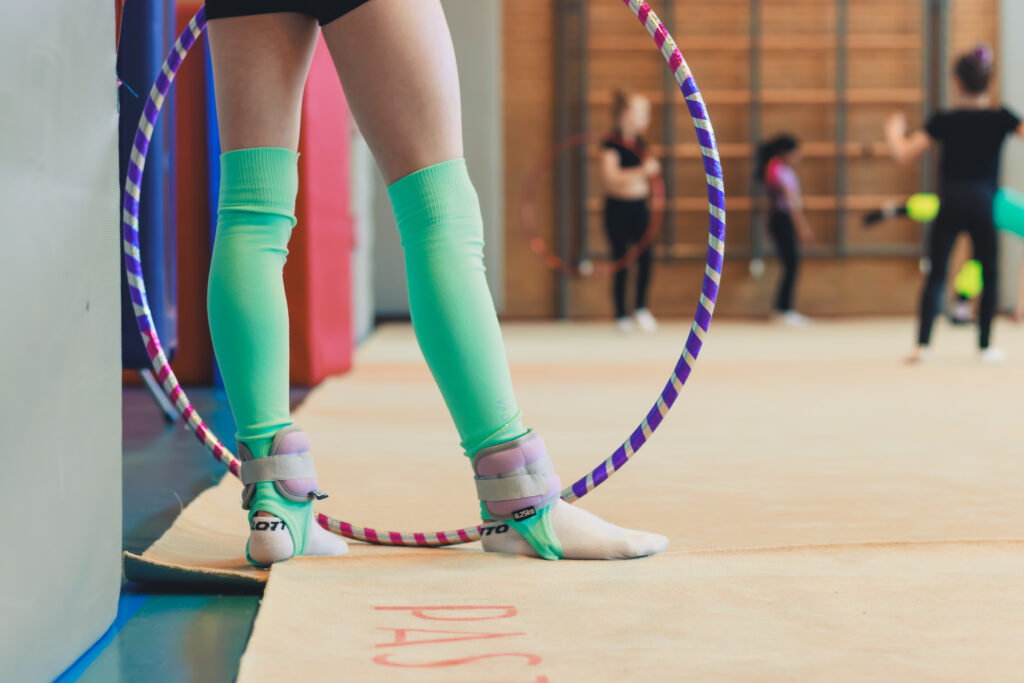
    • Hoop — Good for jumps and basic rotations
    • Ribbon — More advanced; requires strong wrist control
    • Rope — Excellent for improving jump timing
    • Clubs — Best introduced once basic coordination is solid

    Tip 3: Train Consistently and Recover Well

    Rhythmic gymnastics demands a lot from your body. Consistency is more important than intensity—training 4–5 times per week at a moderate level beats sporadic intense sessions every time. Equally important is recovery:

    • Stretch after every session
    • Get 8–9 hours of sleep
    • Stay hydrated throughout the day
    • Listen to your body and rest when needed

    Tip 4: Record Your Training Sessions

    One of the most underused tools for young gymnasts is simply recording yourself on video. Watching your own performance helps you spot mistakes your coach might miss, and it gives you a clear picture of your progress over time. Review your videos after each session and note:

    • Are your lines clean and extended?
    • Does your apparatus work smoothly and controlled?
    • Does your expression and performance quality come through?

    Tip 5: Take Care of Your Equipment

    Your apparatus is your partner in training; treat it well! Here are some simple care tips:

    • Store your ball away from sharp objects and extreme heat
    • Roll up your ribbon neatly after every session to avoid tangles
    • Keep your rope dry and untangled
    • Clean your hoop regularly with a soft cloth
    • Check your clubs for cracks before every session

    Progress in rhythmic gymnastics takes time, patience, and the right equipment. At Shop Olympia RG, we’re here to support every step of your journey, from your very first hoop to your first competition ball. Explore our range and train with confidence! 🏅

  • How to Choose the Right Rhythmic Gymnastics Apparatus

    Choosing the right rhythmic gymnastics apparatus can make a huge difference in your training and performance. Whether you’re a beginner just starting out or an experienced gymnast preparing for competition, understanding what to look for in each apparatus is essential. In this guide, we break down everything you need to know.

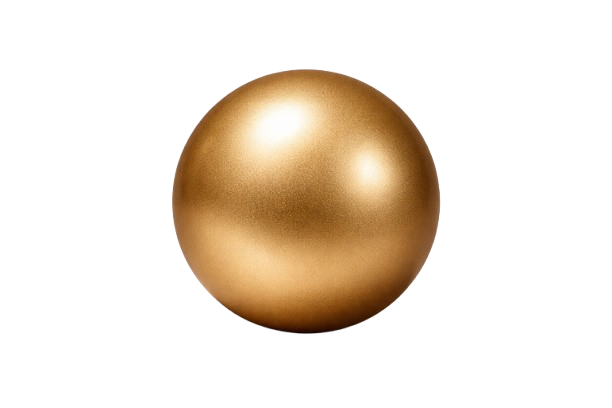
    Ball

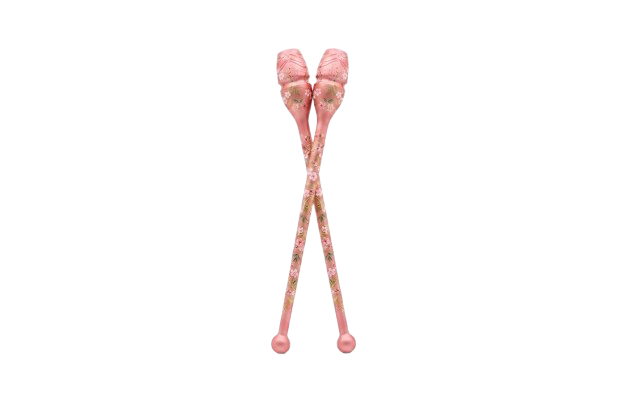
    Clubs

    How to Choose Each Apparatus

    Here’s what to look for per apparatus:

    • Ball: Must be rubber or synthetic, 18–20 cm in diameter for seniors. Beginners can start with a slightly smaller training ball.
    • Ribbon: At least 6 meters long for seniors (5 m for juniors). Look for smooth, non-fraying satin material.
    • Rope: Should reach from feet to armpits when folded in half. Hemp or synthetic materials both work well.
    • Hoop: 80–90 cm in diameter for seniors. Lightweight plastic hoops are ideal for beginners.
    • Clubs: 40–50 cm long, made of rubber or synthetic material. Balance and grip comfort are key.

    Tips for Buying Your First Apparatus

    Buying your first apparatus doesn’t have to be overwhelming. Keep these tips in mind:

    • Always check FIG approval if buying for competition
    • Start with mid-range quality for training; you don’t need top-competition gear right away
    • Ask your coach for brand recommendations
    • Make sure the size matches your age category
    • Consider buying a set for better value

    At Shop Olympia RG, we carefully select all our apparatus to meet the highest standards, whether you’re just starting out or competing at a national level. Browse our collection and find the perfect match for your gymnastics journey! 🤸‍♀️